A single-sitting root canal is appropriate only when the dentist can locate, clean, disinfect, dry, fill and seal the canals during one visit. By the end, you will know which examination findings support that plan, when a staged treatment is safer, how long the appointment may take, and why the final crown can still be a separate step.
Key takeaways
- One-visit RCT completes canal cleaning, shaping, disinfection, and filling together.
- Examination findings determine whether sealing the tooth in one appointment is safe.
- Expect staged treatment when infection control, drainage, anatomy, or restoration needs require it.
- A one-visit RCT does not guarantee no pain or eliminate the need for a final crown.
What Single-Sitting RCT Means—and What Your Symptoms Can’t Tell You
Single-sitting RCT means completing cleaning and shaping, disinfection, filling (obturation), and usually a temporary or definitive coronal seal during one appointment. Single-visit root canal treatment differs from conventional treatment completed over two or more appointments, where the dentist may place medication inside the canals before sealing them later.
One appointment can be suitable when the tooth is:
- Restorable, with enough sound structure to support a seal and later restoration.
- Accessible, so the dentist can locate, clean, and shape every canal.
- Dryable and sealable after preparation, without persistent drainage.
- Safely isolated with a rubber dam, which limits saliva contamination and protects you from instruments and irrigants.
Your symptoms do not decide this alone. RCT symptoms such as tooth pain, lingering sensitivity, or tenderness can suggest inflamed or infected pulp, but they cannot show whether canals are curved, calcified, narrow, or unusually complex.
Tooth pain and root canal need not follow a simple one-visit rule: a vital tooth with irreversible pulpitis is often manageable in one appointment, while swelling, an abscess requiring drainage, or an unrestorable tooth can change the plan.
The dentist confirms suitability through examination and imaging before recommending one sitting. Post-treatment pain also does not automatically prove failure; pre-treatment inflammation, instrumentation, biting pressure, and the final restoration can affect discomfort. A tooth treated in one visit still needs a durable permanent restoration promptly, especially a back tooth that may require a crown.
The Examination Checks That Make One Visit Safe
One-visit treatment is suitable when the tooth is diagnosable, restorable, accessible, and can be cleaned, dried, filled and sealed without rushing. The patient’s location in Pitampura does not change that decision. The dentist applies the single sitting RCT criteria to clinical examination, isolation, canal anatomy and imaging.
| Finding | Supports completion in one visit | Finding that argues for staging |
|---|---|---|
| Pulp and apical diagnosis | Vital tooth with irreversible pulpitis and no uncontrolled swelling | Unclear diagnosis, acute swelling or drainage that needs management |
| Restorability | Sound tooth structure can support a durable restoration | Deep fracture, inadequate tooth structure or a non-restorable tooth |
| Canal anatomy | Canals are located, negotiable and have manageable curvature | Calcification, severe curvature, unusual canal number or suspected extra canals |
| Infection control | Canals can be disinfected and dried completely | Persistent exudate, inability to dry the canal or uncontrolled infection |
| Imaging | Periapical findings match the clinical diagnosis and show treatable anatomy | Complex lesion, resorption, perforation risk or unclear anatomy |
| Access and isolation | Rubber dam isolation and a direct working path are achievable | Limited mouth opening, poor isolation or an obstructed access path |
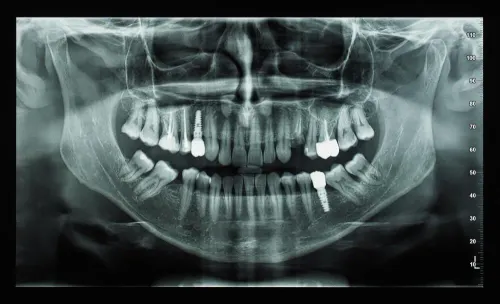
Periapical imaging for RCT usually means focused intraoral radiographs from different angles; a Digital OPG can add a broader view when several teeth, unusual roots or surrounding bone need assessment. Imaging does not replace pulp testing, periodontal probing, percussion and restorability checks.
One appointment is safe only when the canal system is dry and the dentist can obtain an effective coronal seal. A temporary seal requires prompt replacement with the planned definitive restoration; posterior teeth frequently need cuspal coverage to reduce fracture risk.
When a Dentist Should Stage or Change the Treatment
A tooth that cannot be isolated, cleaned, dried and sealed reliably should not be forced into one appointment. When single sitting RCT is not recommended, the dentist should change the sequence rather than trade canal disinfection for speed.
| Situation | Why one sitting is less predictable | Safer change |
|---|---|---|
| Acute apical abscess with swelling | Pus and pressure can prevent canal drying, and swelling may need immediate local treatment | Perform dental abscess drainage through the canal or by incision, then reassess |
| Calcified canals, severe curves or unusual anatomy | Locating and shaping every canal takes more time and carries a higher risk of ledging or perforation | Stage treatment or refer to an endodontist |
| RCT retreatment | The dentist must remove old filling material, find missed canals and investigate persistent disease | Allow extra appointments and additional imaging |
| Large apical lesion, open apex, perforation or separated instrument | Healing, sealing or instrument management requires a more individual plan | Consider staged care or specialist treatment |
| Suspected vertical root fracture or an unrestorable tooth | Root canal treatment cannot predictably save a tooth with a structural fracture or inadequate tooth walls | Discuss extraction or another restorative plan |
A patient’s medical condition also changes the decision. Diabetes that is poorly controlled, immune compromise, bleeding disorders, pregnancy, major heart or kidney disease, and medicines such as anticoagulants require medical review rather than an automatic promise or refusal.
Limited mouth opening, severe anxiety, low stress tolerance or an appointment that cannot accommodate adequate isolation can also make staging sensible.
Antibiotics do not replace drainage or removal of infected tissue; they are reserved for systemic involvement, spreading infection or delayed definitive treatment. After acute symptoms settle, the dentist can decide whether completing treatment is predictable.
What Happens During the Appointment—and What It Does Not Guarantee
A single sitting RCT procedure completes canal cleaning, shaping, disinfection, filling and coronal sealing during one visit. The root canal appointment time is commonly about 60 to 120 minutes; a molar, narrow canals or difficult access can extend the visit.
The dentist generally works in this order:
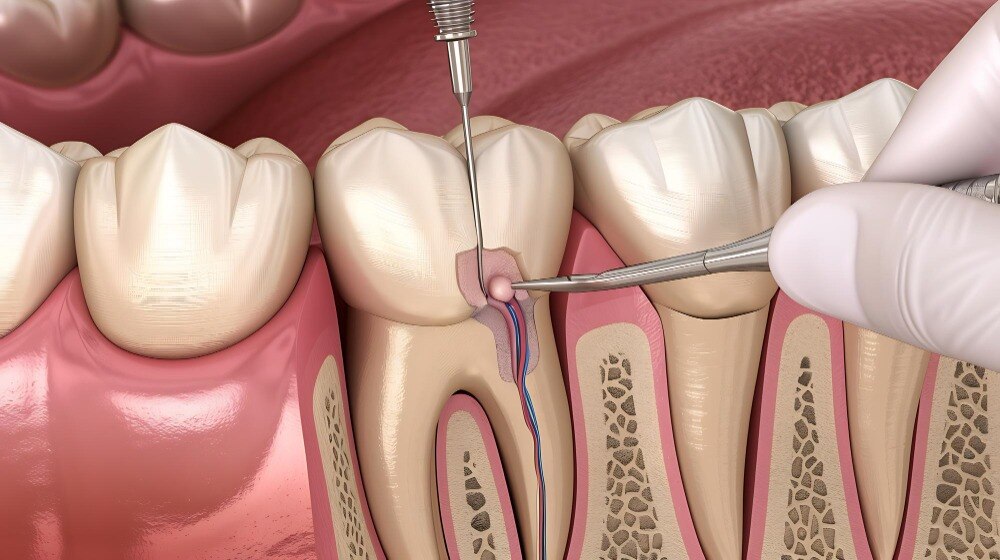
- Numbs the tooth and places rubber dam isolation. The dam blocks saliva, protects the canal from contamination, and prevents you from swallowing or inhaling instruments or irrigants.
- Removes decay and infected or inflamed pulp, then locates each canal opening.
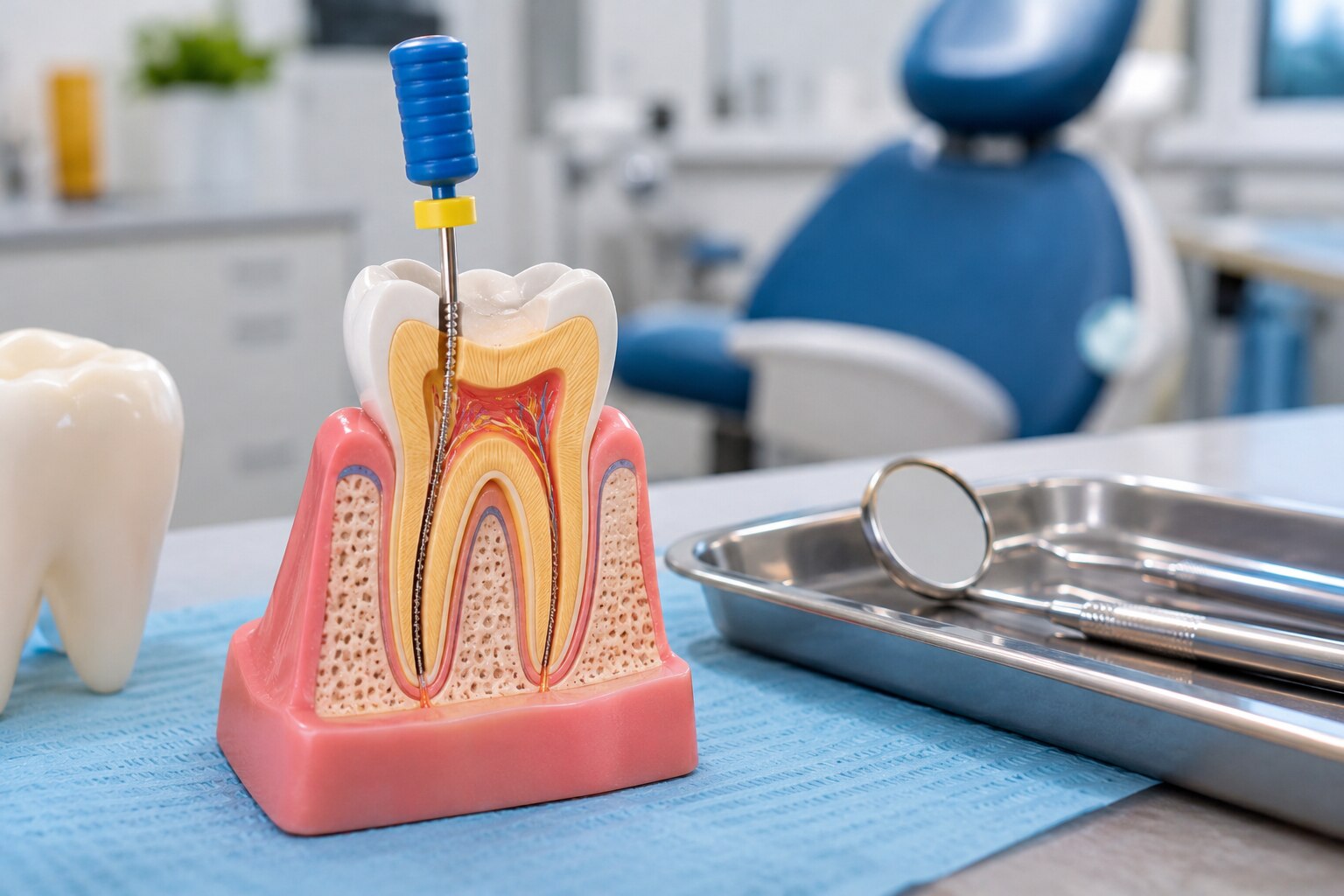
- Measures canal length with an electronic apex locator and confirming radiographs, then cleans and shapes the canals with files and irrigating solutions.
- Dries the canals and checks that they are suitable for filling. A canal that remains wet or cannot be adequately cleaned should not be sealed simply to finish in one visit.
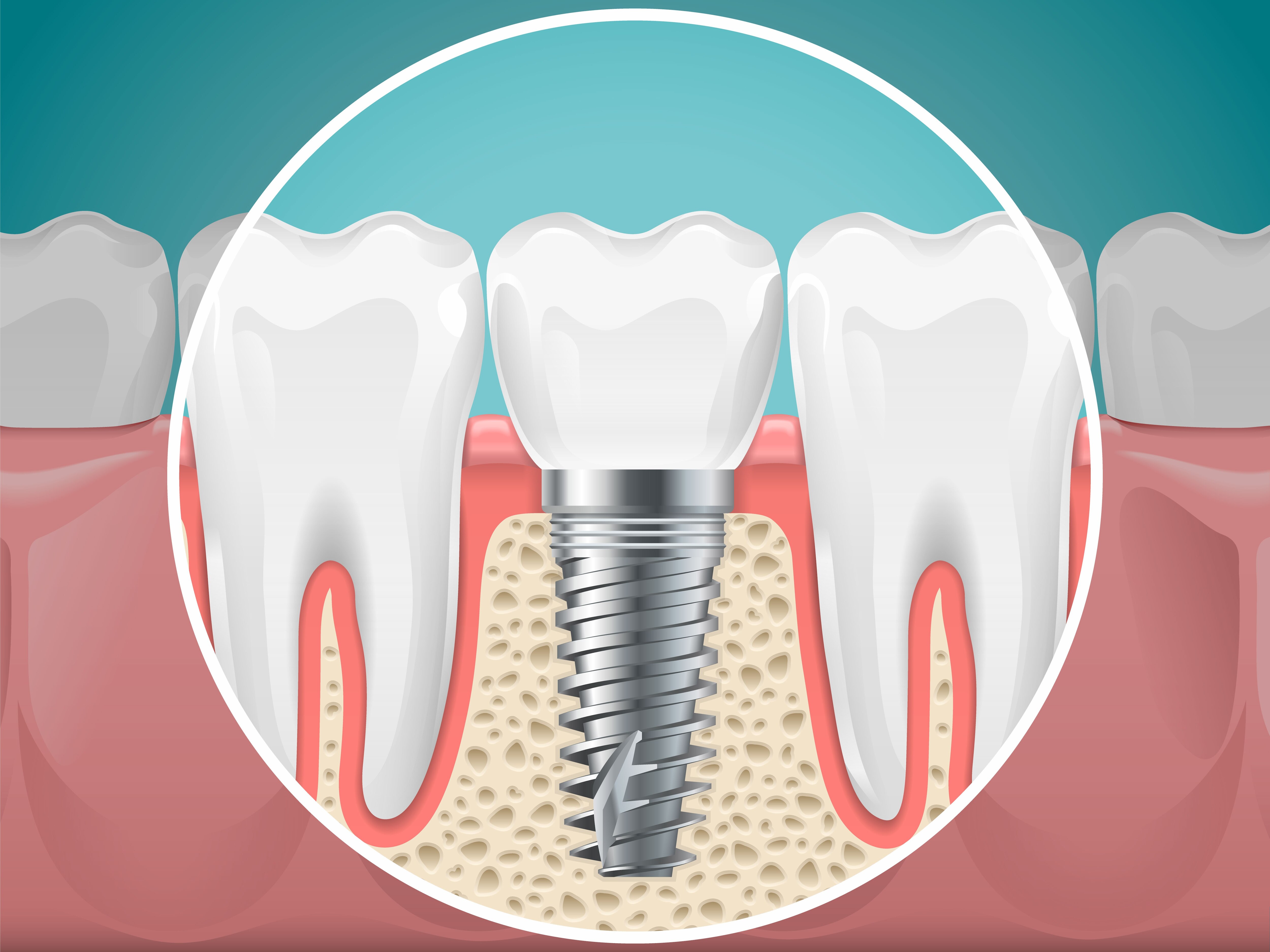
- Fills the canals with gutta-percha and sealer, then closes the access with a temporary or definitive filling.
Completion in one appointment does not guarantee that the tooth is permanently restored that day. A back tooth weakened by decay and access drilling commonly needs a crown after root canal, or another definitive cuspal-coverage restoration, to reduce fracture risk. Avoid chewing hard foods on a temporary filling until that restoration is placed.
Mild tenderness after treatment does not prove failure. The result also depends on the original infection, canal anatomy, sealing quality and final restoration; persistent swelling, severe pain or a loose temporary filling needs prompt review.
How to Make the One-Visit Decision at a Pitampura Dental Clinic
Agree to one visit only after the dentist shows that the tooth is restorable, the canals can be cleaned and dried, and a reliable seal is possible. Being treated by a dentist in Pitampura does not itself make single-sitting RCT appropriate.
Ask these questions during your RCT consultation:
- Which images do you need, and what do they show? Ask whether a periapical X-ray is required to assess root length, curvature and the bone around the root. A Digital OPG for RCT can show the wider jaw and nearby teeth, but it may not reveal every narrow or overlapping canal.
- How many canals do you expect, and what could prevent completion today? Ask about calcification, severe curvature, limited mouth opening, a missed canal or a complex retreatment. These findings can make staged treatment safer.
- How will you confirm that infection is controlled? Ask whether the canals are dry before filling and what happens if drainage, swelling or persistent moisture remains.
- What follow-up is included? Confirm when the tooth will be reviewed, whom to contact for swelling or increasing pain, and whether your bite will be checked.
- What is the final restoration and deadline? Discuss root canal crown planning before treatment. A back tooth often needs cuspal coverage; delaying it leaves the tooth vulnerable to leakage and fracture.
Dr Batra's Dental can be assessed on whether its imaging, isolation, follow-up and restoration plan answer these questions clearly—not simply on its promise of one appointment.
Related service
Root Canal Treatment (RCT) Restore your tooth health and protect your smile with painless root canal treatment at Dr Batra's Dental. View service → |
Frequently asked questions
What does single-sitting RCT include?
It usually includes cleaning, shaping, disinfection, and obturation in one appointment, followed by a temporary or definitive coronal seal.
Which checks help determine whether one-visit RCT is safe?
The dentist examines your symptoms, tooth, X-rays, canal anatomy, infection, drainage, and ability to seal and restore the tooth properly.
When should root canal treatment be staged?
Staged treatment is appropriate when drainage, infection control, complex canal anatomy, persistent symptoms, or restoration needs make immediate sealing unsuitable.
Does single-sitting RCT guarantee no pain afterward?
No. Completing treatment in one visit does not guarantee an absence of post-treatment soreness or remove the need for follow-up care.
Keywords