A smile makeover can address several visible concerns at once, but whitening, alignment, gum health, tooth repair and tooth replacement are not interchangeable. By the end, you will be able to match each concern with the least invasive suitable option, understand the assessment and timeline, and prepare for a safer decision with a dentist in Punjabi Bagh.
Key takeaways
- Combine treatments only after checking tooth health, gums, bite and existing restorations.
- Choose whitening for colour, bonding for small repairs and braces for alignment problems.
- Treat decay, gum disease and infection before cosmetic procedures.
- Use digital previews as planning aids, not substitutes for an in-person assessment.
What a smile makeover can change—and what needs separate treatment
A smile makeover is an individualized plan that combines treatments to improve dental appearance, rather than one standardized procedure. Whitening, composite bonding and veneers can often be planned together for colour, small chips, uneven edges and minor shape differences. Orthodontic alignment may be added when crowding or spacing affects the design.
| Concern | Treatments that may be planned together | Separate treatment needed first |
|---|---|---|
| Colour and minor chips | Whitening, bonding or veneers | Replace mismatched restorations after whitening |
| Crowding or spacing | Orthodontics, followed by whitening or bonding | Orthodontic assessment and retention plan |
| Broken or heavily filled teeth | Crowns, bonding or tooth replacement | Restorative treatment for decay or weak teeth |
| Missing teeth | Bridge, implant or denture with cosmetic reshaping | Examination of bone, gums and neighbouring teeth |
| Uneven gum display | Cosmetic dentistry with gum reshaping | Periodontal assessment when inflammation or recession exists |
Gum disease treatment before cosmetic dentistry is essential when gums bleed, swell, recede or form deep pockets. Inflamed gums alter tooth-to-gum proportions, complicate veneer or crown margins and threaten natural teeth and implants.
Restorative, bite or orthodontic care comes first when:
- Decay, infection, cracks or failing fillings weaken the teeth.
- Bruxism, clenching, deep overbite or another bite problem could chip veneers, bonding or crowns.
- Teeth need moving before their final shape or spacing can be judged.
- Significant recession or bone loss needs gum treatment.
A professionally designed night guard can protect cosmetic work when grinding continues. Whitening changes natural enamel only, so crowns, veneers, bridges and fillings need shade planning separately.
Choosing between whitening, veneers, bonding, braces and tooth replacement
Choose the least invasive option that solves the actual problem. Teeth whitening targets surface stains on natural teeth, while intrinsic stains within enamel or dentine may need bonding or veneers; whitening will not change fillings, crowns, bridges or implant teeth.
| Option | Problem solved | Invasiveness and reversibility | Treatment time | Maintenance |
|---|---|---|---|---|
| Teeth whitening | Surface stains and general darkening | Non-invasive; colour can fade, but the process does not remove tooth structure | One appointment or a home course over days or weeks | Touch-ups; avoid staining foods briefly and maintain cleaning |
| Composite bonding | Small chips, gaps, uneven edges and some intrinsic stains | Minimal enamel preparation; usually repairable and more reversible than veneers | Often one appointment | Polish and repair staining, wear or fractures |
| Veneers | Persistent colour, shape, size or minor alignment concerns | Enamel is commonly removed; ordinarily irreversible | Usually two or more visits | Protect from heavy biting; replace if chipped, debonded or worn |
| Braces or Invisalign | Crowding, spacing and tooth inclination | No drilling, but retainers are needed; movement can return without them | Several months to about two years | Retainers and regular cleaning |
| Crowns | Heavily damaged, weak or extensively restored teeth | Significant tooth preparation; irreversible | Usually two visits, plus laboratory time | Check margins, bite and gum health |
| Bridges | One or more missing teeth | Adjacent teeth are prepared; fixed and not easily reversible | Several visits over weeks | Clean under the bridge and monitor supporting teeth |
| Implants | Missing teeth with replacement roots and crowns | Surgical treatment; not reversible like a removable appliance | Commonly months, including healing | Daily cleaning, reviews and eventual component replacement |
Ask about veneers versus crowns before choosing either: a veneer covers the front surface, while a crown covers most of the tooth. Composite bonding is conservative, but bite forces and moisture control affect its durability.
Why the assessment matters more than a digital smile preview
A digital smile simulation shows an intended appearance, not whether your teeth and gums can support it. A smile makeover consultation must establish health, function, material limits and maintenance before you approve cosmetic treatment.
1. The dentist examines each tooth for decay, cracks, worn enamel, loose areas and uneven edges. Treating hidden disease first prevents veneers or bonding from covering a problem that later fails.
2. Standardised photographs record tooth proportions, gum display, lip movement and facial symmetry. They also provide a baseline, but lighting and camera angles cannot predict how porcelain or composite will look in daily life.
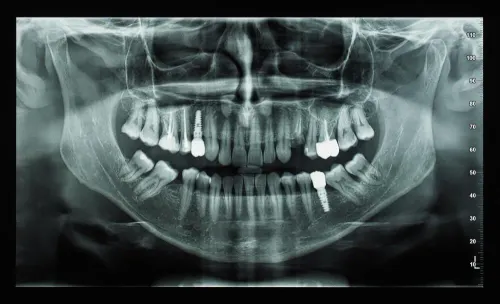
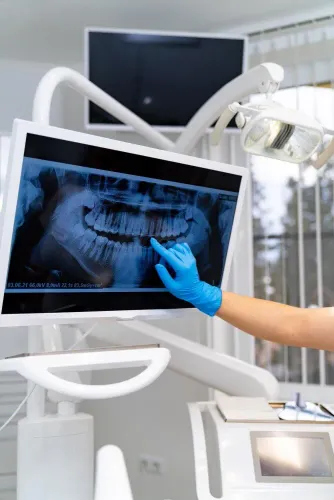
3. Dental X-rays and scans reveal decay between teeth, bone support, root shape, old root-canal problems and missing-tooth areas. These findings can replace a cosmetic plan with restorative treatment, gum care or tooth replacement.
4. Bite analysis checks how your upper and lower teeth meet during closing and movement. Heavy contact, grinding or an unstable bite can chip bonding, fracture veneers and shorten the life of crowns.
5. Gum checks look for bleeding, swelling, pockets and recession. Active gum disease must be treated before elective work because inflammation changes tooth-to-gum proportions and makes margins harder to maintain.
Existing fillings, crowns, bridges and veneers also shape the sequence: whitening changes natural teeth but not restorations, so shade coordination may require replacement afterward. Approve the treatment, material, risks, alternatives and maintenance plan—not the digital smile simulation alone.
The treatment sequence: preparation, fitting and review
1. Preparation usually takes one examination visit, with X-rays or scans added when decay, bone loss or a missing tooth needs investigation. Complete cavity treatment and active gum treatment first; bleeding or inflamed gums can make cosmetic margins inaccurate and threaten teeth or implants. Confirm bite stability and tooth sensitivity management before elective work.
2. Set the colour before fitting restorations. Whitening commonly takes one to several appointments over 1–3 weeks, depending on the method; complete it before veneers, crowns, bridges or implant crowns because whitening changes natural enamel, not existing dental work. Allow about 1–2 weeks for shade settling and sensitivity to ease.
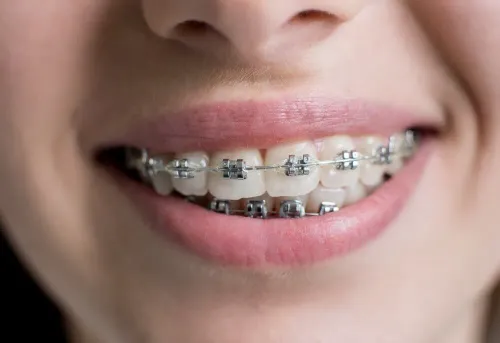
3. Complete orthodontics before veneers or extensive reshaping when crowding, spacing or tooth inclination is the main problem. Fixed braces or clear aligners commonly take 6–24 months, followed by retainers; do not expect them to whiten teeth or repair damaged enamel. Bonding or temporary repairs can protect vulnerable teeth during alignment.
4. Fitting time depends on the restoration. Veneers, crowns and bridges usually require preparation and temporary protection, followed by fitting at a second visit 1–3 weeks later; implants require surgical placement and often 3–6 months of healing before the final crown, with grafting adding time.
Review the bite, gum health, colour and cleaning access after fitting, then return for a review in roughly 1–2 weeks and maintenance visits thereafter. The smile makeover treatment timeline should leave time to correct discomfort, shade mismatch or bite interference rather than rushing every procedure into one appointment.
How a safer smile plan can support confidence in Punjabi Bagh
Judge a smile makeover in Punjabi Bagh by more than a brighter photograph: the proposed result should fit your facial features, speech, bite, oral health and daily habits. A natural-looking smile usually has believable translucency, varied tooth shape and balanced gum display rather than identical, ultra-white teeth.
Ask the clinic these questions before consenting:
- What problem is each treatment solving, and what is the least invasive suitable option?
- Will you see a trial restoration or mock-up in your own photographs, and which parts of the preview cannot be guaranteed?
- What material, shade, thickness and expected lifespan apply to each veneer, crown or bonding restoration?
- Are active decay, gum inflammation, recession, worn fillings or missing-tooth problems being treated first?
- How will you check my bite, tooth grinding and clenching? If I have bruxism, do I need a professionally made night guard?
- What happens if a restoration chips, debonds, discolours or needs replacement?
- How will the plan affect eating, cleaning, whitening, retainers and future dental visits?
- What alternatives, risks, total appointments and maintenance costs should I compare before deciding?
Dr Batra's Dental can be one local clinic to ask for this discussion in writing, including photographs, examination findings, material choices and aftercare. Confidence improves when you understand the trade-offs; cosmetic treatment cannot by itself treat generalised low self-esteem, anxiety or depression. Pain, bleeding or an unstable bite deserves attention before appearance-focused work.
Related services
Smile Makeovers(Veneers & Teeth Whitening) Smile Makeovers(Veneers & Teeth Whitening) Enhance your smile with personalized Smile Makeover treatments at Dr. Batra's Dental Clinic. View service → |
Invisalign Invisalign Achieve a straighter, more confident smile with Invisalign treatments at Dr Batra's Dental. |
Frequently asked questions
What can a smile makeover change, and what needs separate treatment?
A smile makeover can address colour, small chips, uneven edges, minor shape differences and alignment. Decay, gum disease, infection, significant bite problems and missing teeth need separate assessment and treatment before cosmetic work.
How do you choose between whitening, veneers, bonding, braces and tooth replacement?
Choose whitening for suitable discolouration, composite bonding for small chips or shape changes, veneers for selected front-tooth appearance changes, braces for crowding or spacing, and tooth replacement for missing teeth. Tooth health, enamel condition, bite and the size of the problem determine the choice.
Why does an assessment matter more than a digital smile preview?
An assessment checks teeth, gums, bite, enamel, existing fillings and X-rays where needed. A digital preview shows an intended appearance but cannot diagnose disease or confirm that a proposed treatment is safe.
What is the usual smile makeover treatment sequence?
The sequence is assessment and disease control, planning, preparation, treatment or orthodontic alignment, fitting of restorations, and review. The exact order changes when alignment, gum treatment, tooth replacement or other preparation is required.
Related services
Dental Implants At Dr. Batra's Dental Clinic, we offer advanced dental implant treatments to replace missing teeth with strong, natural-looking, and long-lasting... View service → |
Fixed Ortho(Braces) Achieve a well-aligned and confident smile with Fixed Orthodontic Braces at Dr. Batra's Dental Clinic. View service → |
Crown & Bridges(Scanning Via Scanner) Crown & Bridges(Scanning Via Scanner) At Dr. Batra's Dental Clinic, we restore damaged or missing teeth with high-quality dental crowns and bridges using advanced digital intraoral... View service → |