Braces and aligners add new surfaces where plaque can collect, so untreated decay, inflamed gums or infection can turn a planned tooth-straightening process into a longer and riskier one. You will learn what a dental checkup before braces in Delhi should cover, which problems need treatment first, how much preparation time to allow and how to protect your teeth once orthodontic treatment begins.
Key takeaways
- Treat cavities, gum inflammation and infection before fitting braces or aligners.
- Request an examination for decay, fillings, calculus, gums and dental infections.
- Complete cleaning and treatment before orthodontic photographs, scans and impressions.
- Brush around brackets or clean aligners and teeth every day throughout treatment.
Why disease control comes before braces or aligners
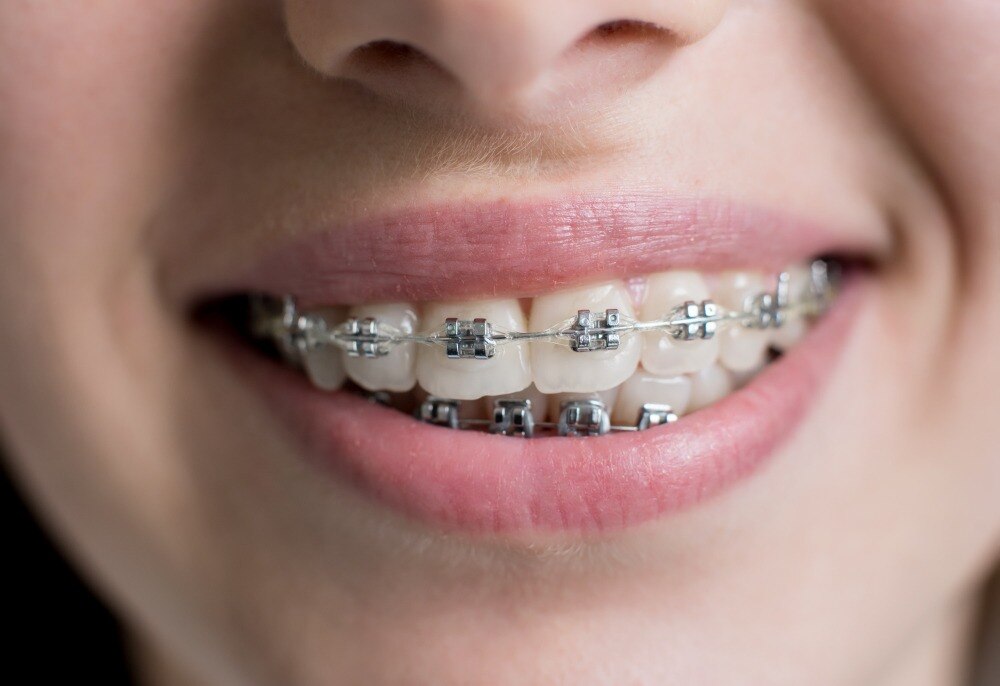
Cavities, leaking fillings, plaque, calculus, gum inflammation and infection need control before braces or aligners. Brackets and wires create plaque-retention areas, while aligners can make cleaning harder; disease can worsen around either appliance. Inadequate plaque removal also raises the risk of white-spot lesions, the early enamel changes that can leave permanent marks.
Inflamed supporting tissues can make tooth movement less stable and compromise gum health.
Oral health before orthodontics is ready for treatment only when active problems have been assessed and managed. Use this check:
1. Arrange a dental assessment before orthodontic records if you have persistent gum bleeding, spontaneous tooth pain, sensitivity that lingers after hot or cold drinks, facial swelling, pus, loose teeth, stubborn bad breath or pain while eating. These signs can indicate decay, gum disease, a cracked tooth or infection that appliances could complicate.
2. Seek urgent dental care, not a routine braces consultation, when swelling occurs with fever or trouble swallowing. An untreated infection can spread and requires prompt evaluation.
3. Do not treat a professional cleaning as a complete solution. Cleaning removes calculus that brushing cannot, but you still need daily plaque control and treatment for decay, infection or periodontal disease.
Preventive dentistry in Delhi means controlling disease before orthodontics, then maintaining that control during treatment. A stable, clean mouth gives braces or aligners a safer starting point.
What a pre-orthodontic dental examination should find
A pre-orthodontic examination should identify disease, structural problems and cleaning difficulties before brackets or aligners make them harder to manage. A dental checkup before braces in Delhi starts with your medical and dental history, including medicines, illnesses, previous treatment, caries risk and dry-mouth factors.
- The dentist examines every tooth for decay, toothache, fractures, hidden infection and the condition of existing fillings and crowns.
- The gum assessment records bleeding, swelling, plaque, calculus, periodontal pockets and attachment loss. Active inflammation around supporting tissues needs control before tooth movement.
- The clinician checks tooth eruption, retained baby teeth, missing teeth, the bite and jaw relationship, then watches how you brush and clean between teeth.
- The examination also identifies whether your current oral-hygiene technique will cope with brackets, wires or aligners.
Radiographs are selected for a clinical reason, not taken automatically in every format. A panoramic image or another targeted view can reveal impacted or unerupted teeth, missing teeth, abnormal roots, bone lesions or infection hidden beneath the gums; these findings can change the orthodontic plan.
Do not start appliances over unresolved problems. Active decay, persistent toothache, an abscess, periodontal inflammation, a fractured tooth, retained baby teeth or an impacted tooth may need treatment or further assessment first. This is the practical purpose of checking oral health before orthodontics: make the mouth stable before adding equipment that traps plaque.
The safest sequence from diagnosis to orthodontic records
The safest sequence is to stabilise disease before collecting orthodontic records, not to book braces on a fixed timetable. A sound plan for preventive dental care before orthodontic treatment in Delhi follows this order:
1. Begin with a dental examination. Identify decay, infection, gum inflammation, calculus, fractured teeth and any restoration that needs attention before appliances make cleaning harder.
2. Treat urgent problems next. A filling can be reviewed once the tooth is comfortable and the restoration is secure. Root canal treatment may need a follow-up assessment before orthodontic treatment proceeds.
3. Arrange professional cleaning when calculus is present. Removing hardened deposits gives the gums time to respond and shows whether improved brushing is working.
4. Keep up improved home care for an agreed period. Brush carefully along the gumline and around any future appliance areas, then look for reduced bleeding, swelling and plaque. Gum treatment needs evidence that inflammation has improved.
5. Complete orthodontic records and treatment planning after the mouth is stable. An extraction requires healing before appliances are fitted, while cleaning may need only enough time to confirm a healthy gum response.
There is no single waiting period for everyone. The treating dentist and orthodontist should agree on the start date from your symptoms, healing, gum findings and restoration reviews rather than relying on a fixed number of days.
How preparation changes for adults, and what to clean every day
Adults need a broader review than children because years of dental work and medical conditions can affect orthodontic planning. Preventive dental care for adults should check crowns, bridges and implants, gum recession, tooth wear, dry mouth, smoking or tobacco use, diabetes, and medicines that reduce saliva or affect gums and healing.
Children need attention to eruption, retained baby teeth and brushing skill; adults may also need restoration or periodontal maintenance.
Use the same daily routine before appliances are fitted and throughout treatment:
- Brush twice daily with a soft-bristled toothbrush and fluoride toothpaste. Angle the bristles along the gumline, then clean around each bracket and the tooth surface above and below the wire.
- Use an interdental brush under wires and between teeth. Choose a size that passes without force; pushing a large brush into a tight space can injure the gum.
- Use a floss threader to pass floss beneath the main wire, then clean each contact between adjacent teeth. Do this once daily.
- Reduce frequent sugary drinks and snacks, especially between meals. Repeated sugar exposures prolong acid attacks and increase enamel mineral loss around brackets.
- Keep these habits while waiting for orthodontic records or treatment to begin.
A professional cleaning removes calculus that brushing cannot, but cleaning cannot replace treatment for decay, infection or periodontal disease. Persistent bleeding, swelling, pain or a loose restoration needs dental care before orthodontic treatment, not simply better brushing.
How to maintain preventive care throughout orthodontic treatment
An orthodontic adjustment checks tooth movement and appliance fit; it does not automatically replace a routine dental examination, gum review or professional cleaning. Fixed braces can trap plaque around brackets, allowing bleeding, new deposits, enamel demineralisation and white-spot lesions that remain visible after removal.
| Orthodontic visit | Preventive dental visit |
|---|---|
| Movement, wires and bite | Cavities, gums, plaque and restorations |
| Adjusts the appliance | Removes calculus and reviews disease |
| Does not replace a full examination | Does not replace orthodontic planning |
During preventive dental care before orthodontic treatment in Delhi, agree on who will monitor your mouth throughout treatment. Ask:
- Who will check bleeding, gum pockets, cavities and white-spot lesions?
- When will professional cleaning be repeated if calculus or plaque returns?
- How is each radiograph justified, and what clinical question will it answer?
- What is the follow-up plan if decay, bleeding or infection returns?
- Who will review your cleaning technique if brushing around brackets or aligners remains difficult?
Use fluoride exactly as advised for your individual caries risk. Your clinician may recommend a particular fluoride toothpaste or an additional topical fluoride measure; do not assume that braces alone determine the product or frequency.
Preventive dentistry in Delhi works best when the orthodontist and general dentist share these responsibilities. Dr Batra's Dental may help patients coordinate assessment, treatment and maintenance when one provider’s broader dental care simplifies follow-up. The principle remains unchanged: orthodontics and prevention are parallel services, not substitutes.
Related services
Preventive Dentistry Preventive Dentistry (for children and adults) Maintain a healthy smile for life with preventive dentistry at Dr Batra's Dental. View service → |
Fixed Ortho(Braces) Achieve a well-aligned and confident smile with Fixed Orthodontic Braces at Dr. Batra's Dental Clinic. View service → |
Frequently asked questions
Why must dental disease be controlled before braces or aligners?
Brackets, wires and aligners can create plaque-retention areas, allowing cavities, gum inflammation and white-spot lesions to worsen during orthodontic treatment.
What should a dental checkup before braces in Delhi include?
The examination should look for cavities, leaking fillings, plaque, calculus, gum inflammation, infection and other problems that need treatment before orthodontic records.
What is the safest sequence before orthodontic treatment?
Start with a dental examination, treat active disease, complete professional cleaning when needed, confirm stable oral health, then take orthodontic photographs, scans or impressions.
How should adults prepare their teeth before orthodontics?
Adults should address untreated decay, old or leaking fillings, gum disease and difficult-to-clean areas, then establish a daily brushing and interdental-cleaning routine.
How do you maintain preventive dental care during braces or aligners?
Clean teeth every day around brackets and wires, or brush and clean teeth before reinserting aligners, while attending planned dental and orthodontic reviews.
Related services
Invisalign Invisalign Achieve a straighter, more confident smile with Invisalign treatments at Dr Batra's Dental. |
Radiology At Dr. Batra's Dental Clinic, we offer advanced Digital OPG (Orthopantomogram) and Digital X-Ray services for accurate, fast, and safe dental... View service → |
Keywords