A quoted implant price in Delhi can cover only the fixture, while the complete bill may also include scans, extraction, grafting, the abutment, crown, temporary tooth, surgery and reviews. You will be able to compare itemised estimates, understand the appointment timeline, assess your suitability and book the right first consultation.
Key takeaways
- Ask whether the quote covers the fixture, surgery, crown, scans and follow-up visits.
- Expect several appointments separated by healing time before the final crown is fitted.
- Delay treatment until active gum disease, decay or uncontrolled health problems are managed.
- Compare implants with bridges, dentures and saving the natural tooth before booking.
What a Delhi dental implant quote actually includes
There is no standard dental implant cost in Delhi. A commonly quoted range of roughly ₹20,000 to ₹80,000 for one tooth is a market indication, not a fixed tariff. The lower figure may cover only the implant fixture, while a complete treatment package may include surgery, restoration and reviews.
Ask for an itemised estimate covering:
- Consultation, clinical examination and CBCT or other imaging when indicated
- Extraction of the failing tooth, if required
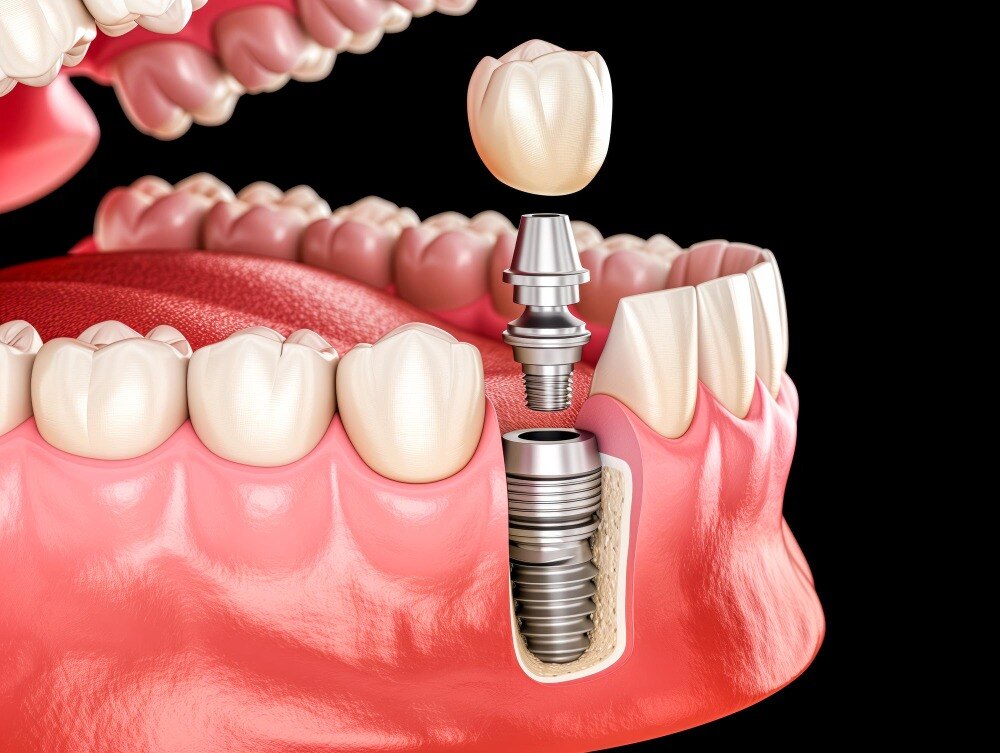
- Implant fixture, with the brand and model stated
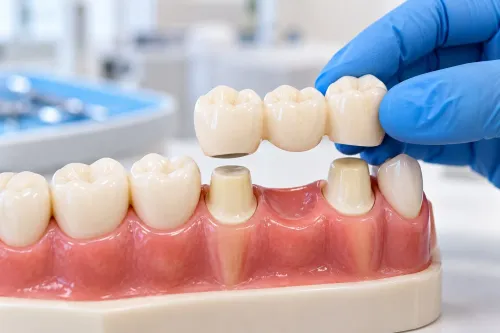
- Abutment, temporary tooth and final crown, including the crown material
- Surgical fee, restoration fee and laboratory charges
- Local anaesthesia or sedation, medicines and follow-up visits
- Bone grafting or sinus lift, if the available bone is inadequate
- Revisions, implant-failure terms and GST
Request every item in writing before booking. A low advertisement is incomplete if it does not say whether the abutment, crown, scan, surgery, laboratory work, temporary tooth, reviews and GST are included. Also ask what happens if the implant fails: who pays for removal, replacement or additional treatment?
Do not compare a package price with a fixture-only price. They describe different parts of the treatment, so the cheaper headline can produce the higher final bill. Extraction, grafting, custom components and extra appointments can change the total after examination.
How many visits and how much healing time should you expect?
Expect several visits over a few months, not one automatic surgery-day replacement. Dental implants in Delhi usually follow this sequence:
1. Examination and medical history: the dentist checks your teeth, gums, bite, medications and general health.
2. Imaging and planning: dental radiographs or CBCT scans show bone volume, nearby nerves and the proposed implant position.
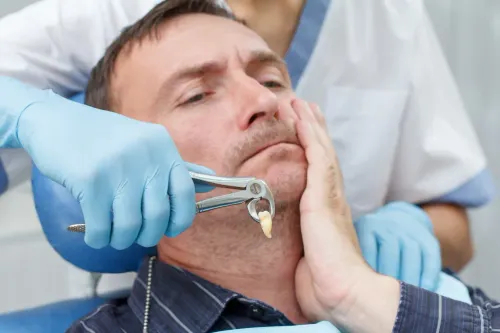
3. Extraction, if needed: a failing tooth may be removed before placement. Immediate implant placement uses the extraction socket, while delayed placement waits until infection is controlled or grafted bone has healed.
4. Implant placement: the fixture enters the jawbone. A temporary tooth is fitted only when the site and bite can support it safely.
5. Healing: bone commonly needs several months to integrate with the implant. Fitting the final crown too early can allow movement, compromise integration and waste the surgery.
6. Abutment and crown fitting: after healing, the abutment connects the implant to the final crown, which is adjusted for your bite.
Same-day or immediate loading depends on primary stability, bone conditions, bite forces and a restoration designed to limit loading. It is not a universal promise. Selected patients receive a temporary or final restoration sooner.
Plan for review appointments during healing and maintenance visits after fitting to check gum health, bite, cleaning and implant stability.
Who is suitable for an implant, and when should treatment wait?
Implant surgery is appropriate now when your jaw has enough healthy bone, your gums are stable, infection is absent, your bite can be managed, and you can maintain cleaning and review visits. A clinical examination comes before any decision about surgery.
| Condition | Why timing matters | Possible next step |
|---|---|---|
| Adequate jawbone | Thin or damaged facial bone, or inadequate primary stability, can prevent immediate placement | Grafting or delayed placement |
| Active gum infection or decay | Infection and plaque raise inflammation and bone-loss risk around an implant | Treat gums or decay first |
| Unsuitable bite | Clenching, grinding or excessive bite forces can overload the implant | Bite control, protection or a different plan |
| Diabetes | Uncontrolled diabetes can impair healing and increase infection risk | Medical coordination and recent glucose-control information |
| Smoking | Smoking is linked with poorer healing and implant complications | Cessation plan before confirming the timetable |
Previous periodontitis does not automatically rule out treatment, but it makes professional maintenance and plaque control essential. If you cannot clean around the implant or attend reviews, postpone treatment until that changes.
Well-controlled diabetes does not automatically exclude implants. Your dentist may review medications, contact your doctor or request recent glucose-control results before surgery.
CBCT shows three-dimensional bone volume and nearby anatomy, but exposes you to more radiation than ordinary dental X-rays. It should follow an examination and a justified imaging decision, using the lowest dose that gives adequate information.
How implants compare with bridges, dentures and saving the tooth
The right choice depends on whether the tooth can be saved, how quickly you need function, and what maintenance you can manage—not on the implant price alone.
| Option | Treatment time and cost | Tooth preservation and maintenance |
|---|---|---|
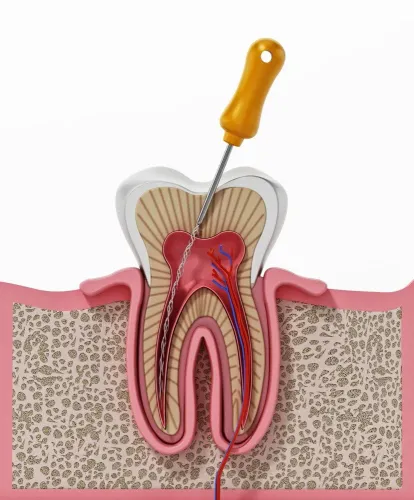
| Root canal plus crown | Avoids implant surgery and is often faster, but needs several visits and follow-up | Saves a restorable natural tooth; requires enough sound structure and a durable crown |
| Fixed bridge | Often quicker because it avoids implant healing | Requires preparation of adjacent teeth; the empty site receives no implant and needs careful cleaning underneath |
| Removable partial denture | Can replace several teeth without implant surgery, usually with a lower initial cost | Removable for cleaning, can need adjustments, and may feel less stable during chewing |
| Single implant and crown | Involves surgery, healing and separate restoration stages | Does not preserve the extracted tooth or its periodontal ligament; clean around it and attend periodic checks |
A restorable tooth with adequate structure can make root canal treatment and a crown the more conservative decision. A bridge suits someone prioritising speed, but sacrificing healthy enamel on supporting teeth is a permanent trade-off.
For several missing teeth, an implant-supported full-arch plan such as All-on-4 is not four separate single-tooth implants. It involves surgery, bone assessment, temporary teeth, specialised hygiene, maintenance and a longer treatment plan; some patients receive temporary teeth quickly, while final teeth follow healing. Bone requirements differ, but cleaning access and bite control remain essential.
Clenching, grinding and excessive bite forces can damage crowns, screws or supporting bone. An implant lacks the natural periodontal ligament’s shock absorption, so a night guard, bite adjustment and regular reviews may matter.
How to book the first consultation and compare Delhi clinics
To book dental implant in Delhi, choose a consultation and treatment-planning visit first—not surgery. Ask whether the fee covers consultation, imaging, temporary tooth, review visits, medicines, emergency care and maintenance. Bring your medical and medication history, smoking status, previous dental records and existing radiographs.
Use this written checklist with every clinic:
- Dentist: registration with the relevant Indian State Dental Council; implant training and experience with similar cases.
- Responsibility: who performs surgery, who fits the restoration and who provides follow-up care.
- Materials: implant system and model, titanium or zirconia choice, crown material and laboratory support.
- Safety: sterilisation procedures and the surgical setting.
- Protection: warranty terms, failure policy and what happens if the implant fails.
- Planning: expected visits, healing period and the charges for revisions or emergencies.
| Compare | Ask for |
|---|---|
| Treatment plan | Itemised stages, imaging and temporary tooth |
| Final price | Surgery, crown, medicines, reviews, maintenance and GST |
| Aftercare | Named clinician, emergency contact and follow-up schedule |
Searching for implant dentist near me in Delhi should not make distance your deciding factor. A nearby clinic is a poor choice if surgery, restoration or failed-implant care is unclear. Check reliable reviews that remain accessible over several months, not only testimonials displayed on the clinic’s own page.
You can assess Dr Batra's Dental alongside other Delhi providers using the same written checklist, rather than choosing by headline package price. Do not consent to surgery until examination, imaging and diagnosis establish that the proposed treatment suits you.
Related services
Dental Implants At Dr. Batra's Dental Clinic, we offer advanced dental implant treatments to replace missing teeth with strong, natural-looking, and long-lasting... View service → |
Crown & Bridges(Scanning Via Scanner) Crown & Bridges(Scanning Via Scanner) At Dr. Batra's Dental Clinic, we restore damaged or missing teeth with high-quality dental crowns and bridges using advanced digital intraoral... View service → |
Frequently asked questions
What does dental implant cost in Delhi usually include?
A quote may cover only the implant fixture or may include consultation, scans, surgery, abutment, crown and follow-up reviews. Ask for each item in writing before comparing prices.
How many visits do dental implants require?
Treatment usually involves assessment and planning, implant placement, healing reviews and fitting the final restoration. The number and spacing of visits depend on healing and whether additional treatment is needed.
Who is suitable for a dental implant?
Suitability depends on gum health, jawbone volume, general health, oral hygiene and the ability to attend follow-up appointments. A dentist must assess these factors before treatment.
When should implant treatment wait?
Wait while active gum disease, untreated decay, infection or an uncontrolled medical condition is being addressed. Treating those problems first improves the basis for implant planning.
How do implants compare with bridges and dentures?
An implant replaces the tooth root and supports a crown, while a bridge uses neighbouring teeth and a denture replaces missing teeth with a removable appliance. Saving a treatable natural tooth should also be assessed before extraction.
Related services
Radiology At Dr. Batra's Dental Clinic, we offer advanced Digital OPG (Orthopantomogram) and Digital X-Ray services for accurate, fast, and safe dental... View service → |
Oral Surgeries At Dr. Batra's Dental Clinic, we provide safe and advanced oral surgical procedures tailored to your individual dental needs. View service → |
Keywords