The deciding issue is not how painful the tooth feels, but whether it can be predictably restored. Compare the tooth’s remaining structure, root condition, bone support, treatment sequence, long-term maintenance and total cost before choosing between saving it and removing it.
Key takeaways
- A root canal preserves your natural tooth when its structure and bone support are adequate.
- Extraction suits teeth that cannot be predictably restored or have inadequate support.
- Compare healing time, replacement options and lifetime costs before choosing tooth removal.
- Ask the dentist whether a crown, bridge or implant is needed after treatment.
Root Canal Versus Extraction: What Happens to the Tooth After Each Procedure?
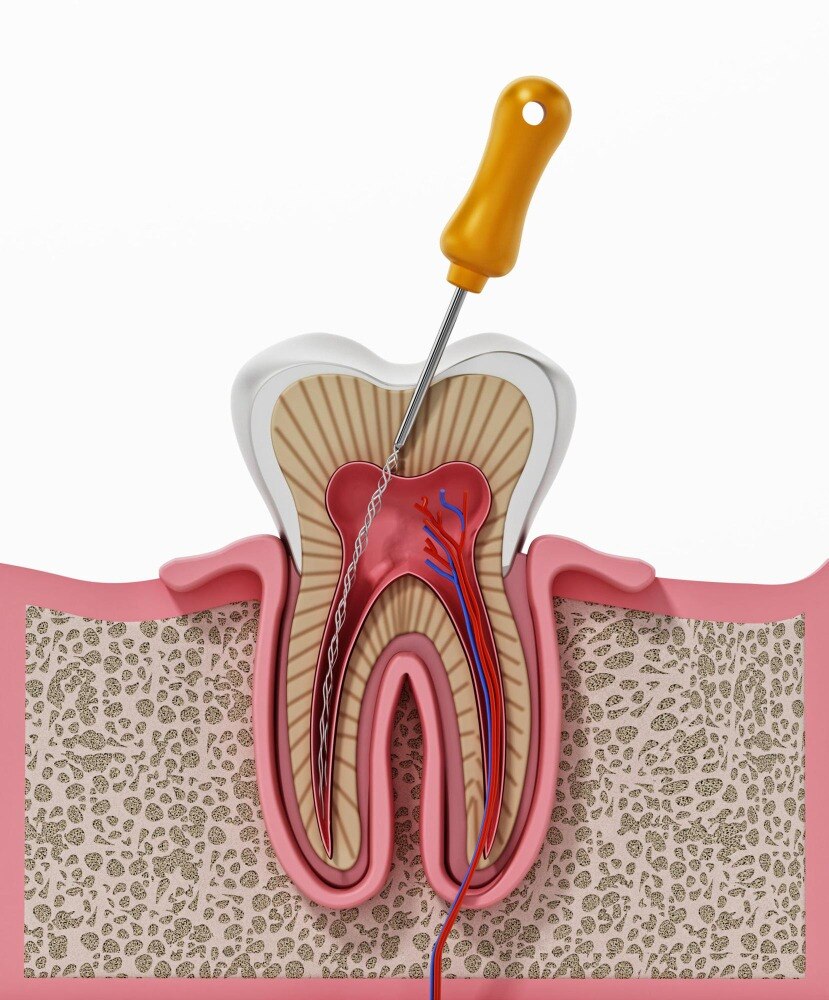
Root canal treatment keeps the tooth in your mouth; extraction removes it. In a root canal versus extraction decision, pain alone is not decisive. The dentist first asks whether enough sound tooth structure and bone support remain to restore the tooth predictably.
| Option | During treatment | Immediately afterward |
|---|---|---|
| Root canal treatment | Under local anaesthetic, the dentist removes inflamed or infected pulp, cleans and shapes the canals, then seals them. | The tooth remains in the dental arch, but it needs a permanent restoration. Tenderness while biting can last several days, and a back tooth often needs a crown to reduce fracture risk. |
| Extraction | Under local anaesthetic, the dentist loosens and removes the tooth, then controls bleeding in the socket. | A blood clot forms as healing begins. The missing space remains and may affect chewing or allow neighbouring teeth to shift; replacement planning comes later. |
Root canal treatment can require more than one appointment, especially when infection needs drainage or the canals are complex. A temporary filling is not the final protection, so delaying the definitive restoration increases the chance of fracture.
Extraction may be quicker on the day, but it does not always end treatment. Healing, a dental implant, bridge, or denture can require further visits. For anyone comparing root canal or tooth removal in Delhi, ask what happens to the space after extraction, not only what happens during the procedure.
The Clinical Test: Can the Tooth Be Predictably Saved?
Pain does not decide whether a tooth should receive root canal treatment. The deciding test is restorability: can enough sound tooth remain above the gum to seal it and support a filling or crown after infected pulp is removed?
The examination weighs these findings:
- Remaining tooth structure: Deep decay or a fracture extending below the gum can prevent a reliable seal. A posterior tooth with usable walls often needs a crown after treatment.
- Root condition: X-rays and, when needed, 3D imaging show curved, blocked or previously treated canals, bone loss and lesions around the root.
- Periodontal support: Probing checks whether the tooth has enough attached gum and supporting bone. Advanced support loss makes long-term retention unpredictable.
- Crack pattern: A vertical root fracture usually cannot be repaired predictably. A crack limited to the crown may still allow treatment and restoration.
A previously treated tooth is not automatically lost. Retreatment or endodontic surgery can work when the failure has an identifiable cause, the root is repairable and the canal system remains accessible.
The root canal benefits in Delhi, as elsewhere, include retaining your own tooth and its position in the dental arch. But the aim to save natural tooth in Delhi is sensible only when the tooth can survive restoration and function.
An implant replaces a missing root; it does not make extraction preferable when the natural tooth is predictably restorable. Ask for the X-ray findings, fracture assessment and restoration plan before choosing.
When Removing the Tooth Is the Better Treatment
A tooth is safer to remove when its structure or supporting tissues make a sealed, durable restoration impossible. Pain does not make that decision: a painless tooth with a root fracture can be less predictable to save than a painful tooth with intact roots and enough sound enamel and dentine.
| Damage pattern | Why extraction is more predictable | What the dentist must confirm |
|---|---|---|
| Vertical root fracture | The split allows bacteria down the root and cannot be sealed reliably | Fracture location, length and whether it affects one root or the whole tooth |
| Decay or crack below the gumline | There is too little sound tooth above the gum to hold a restoration and create a clean seal | Whether gum surgery or crown lengthening could expose enough sound structure |
| Severe structural destruction | A filling or crown cannot grip the remaining tooth without repeated leakage or fracture | Whether a ferrule—a continuous band of sound tooth above the gum—can be created |
| Advanced periodontal bone loss | Poor bone support leaves the tooth loose and reduces long-term function | Mobility, probing depths, bone levels and the condition of neighbouring teeth |
A tooth that already has root-canal treatment is not automatically lost. Retreatment or endodontic surgery can work when the cause is identifiable and the root remains repairable; extraction becomes more predictable when the canal cannot be reached, the root is split, or support is inadequate.
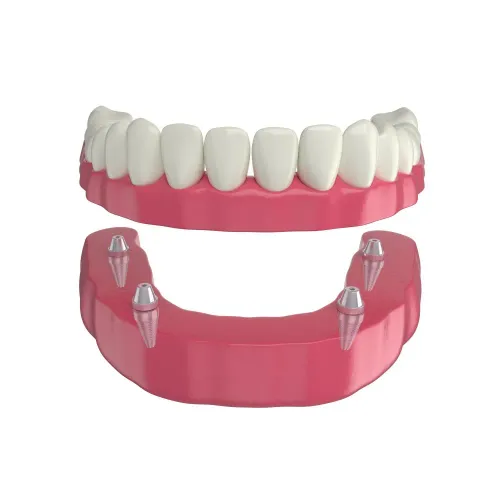
Root canal versus extraction also includes what follows: an implant is one of the tooth removal alternatives, not a biological replacement. It requires surgical placement, bone integration and a crown, so convenience alone is not a sound reason to remove a predictably restorable tooth.
Compare the Full Timeline, Replacement Choices and Total Cost
The lower first-appointment price of extraction does not guarantee the lower total cost. Root canal treatment may take multiple visits and still requires a definitive restoration, while tooth removal can create months of replacement planning and healing.
| Option | Visits and healing | Replacement and maintenance | Overall expense |
|---|---|---|---|
| Root canal treatment | Often two or more visits; the tooth needs a permanent filling or crown after the canals are treated. | Keeps the natural tooth in the arch; a crowned back tooth still needs normal brushing, flossing and dental reviews. | Includes treatment and restoration, but avoids replacement costs when the tooth is predictably restorable. |
| Extraction alone | Removal may be completed quickly; the socket then heals before further treatment. | Leaving the gap can affect chewing and allow neighbouring teeth to shift. | Lowest immediate charge, but it is not the full treatment cost if you later need a replacement. |
| Extraction with replacement | Adds planning visits and healing time. An implant requires surgical placement, bone integration and a crown; a bridge or removable partial denture follows a different schedule. | Bridges and dentures require cleaning and periodic review; implants need professional maintenance even though they do not decay like natural teeth. | Includes extraction, replacement and possible bone-grafting or other surgery, so the total can exceed the initial estimate. |
For someone comparing root canal or tooth removal in Delhi, request a written estimate covering every stage, including the final crown or replacement. Compare tooth removal alternatives such as a bridge, removable partial denture and implant-supported crown—not extraction alone—before deciding.
How to Make the Decision at a Delhi Dental Consultation
Do not decide from pain alone. Ask whether the tooth is restorable: does enough sound structure remain above the gum to hold a filling or crown, is the root free of a vertical fracture, and is there enough bone and gum support? Request an explanation of the X-ray findings, not only a recommendation.
Ask these questions at your Delhi consultation:
- What caused the problem: infected pulp, a crack, decay, or gum-related bone loss?
- Can you seal and restore the tooth predictably after root canal treatment?
- Does the tooth need a crown, and how soon should it be placed?
- If this tooth already had treatment, would retreatment or endodontic surgery address the cause?
- What specific finding makes extraction safer than preservation?
- If extraction is advised, when would an implant or bridge be planned, and what bone healing or grafting would it require?
- Would antibiotics change the treatment, or are they needed only because infection is spreading or causing fever or swelling?
| Option | Ask the dentist to clarify | Why it matters |
|---|---|---|
| Root canal treatment | Long-term prognosis and final restoration | Root canal benefits in Delhi depend on a tooth that can be sealed and protected |
| Extraction | Replacement timing, surgical steps and maintenance | An implant replaces the missing root; it is not a biological replacement |
| Second opinion | Whether the diagnosis includes fracture and periodontal support | It helps before an irreversible decision |
Dr Batra's Dental can help you compare these findings with the proposed restoration and replacement plan. The goal is not simply to save natural tooth in Delhi, but to choose the option with a predictable function and maintenance burden.
Related services
Root Canal Treatment (RCT) Restore your tooth health and protect your smile with painless root canal treatment at Dr Batra's Dental. View service → |
Dental Implants At Dr. Batra's Dental Clinic, we offer advanced dental implant treatments to replace missing teeth with strong, natural-looking, and long-lasting... View service → |
Frequently asked questions
What happens to the tooth after root canal treatment versus extraction?
Root canal treatment removes infected pulp, seals the canals and keeps the tooth in place, usually followed by a restoration or crown. Extraction removes the tooth and leaves a space that may need replacement.
How does a dentist decide whether a tooth can be saved?
The dentist checks remaining tooth structure, cracks, decay below the gum line, periodontal bone support, root anatomy and whether the tooth can be restored and maintained.
When is removing a tooth better than root canal treatment?
Extraction is the better option when the tooth has a non-restorable fracture, insufficient remaining structure, severe support loss or an unfavourable prognosis after assessment.
What should you compare before choosing root canal treatment or extraction in Delhi?
Compare the complete treatment timeline, follow-up visits, healing period, restoration or replacement choices and total cost, including any crown, bridge or implant.
Related service
Crown & Bridges(Scanning Via Scanner) Crown & Bridges(Scanning Via Scanner) At Dr. Batra's Dental Clinic, we restore damaged or missing teeth with high-quality dental crowns and bridges using advanced digital intraoral... View service → |
Keywords