Misaligned teeth do not move because a brace simply pushes them into a new position. Brackets, wires and supporting tissues work together over time, while your bite, gum health, cleaning routine and appointment attendance determine whether treatment is safe and effective. By the end, you will know how fixed braces work, what the treatment involves, how they compare with removable aligners, and what to ask during an orthodontic assessment.
Key takeaways
- Brackets and archwires apply controlled pressure to guide teeth into better positions.
- Expect an examination, treatment plan and cleaning before bracket bonding.
- Compare appearance, maintenance and suitability before choosing fixed, ceramic or clear aligners.
- Brush carefully, attend adjustments and wear retainers to protect your result.
How brackets and wires move teeth into better positions
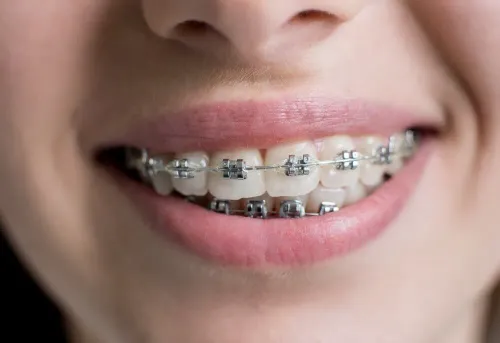
The basic answer to how fixed braces move teeth is controlled pressure. Brackets are bonded to individual teeth, and an archwire runs through them to apply a steady force. Elastic ligatures or small clips hold the wire in place.
The pressure does not push a tooth permanently through the jawbone; the periodontal ligament and bone remodeling allow the tooth to move gradually into a healthier position.
Different wire shapes and adjustments control more than the visible crown of a tooth. They can turn rotations, guide root angulation, move teeth vertically, close spaces and distribute room through crowded arches. That three-dimensional control makes fixed braces useful for marked crowding, complex bite relationships and teeth requiring precise positioning.
Fixed appliances remain attached throughout active treatment, so the wire continues working between appointments. Your orthodontist may use them to control:
- Rotated teeth that need turning into line
- Roots that require careful angulation
- Teeth that must move up, down or into spaces
- Crowded teeth and uneven gaps
- Upper and lower teeth that do not meet correctly
Braces improve tooth position and bite, but they cannot independently correct every severe jaw-size discrepancy. A growing patient may need growth modification; an adult with a major skeletal discrepancy may be referred to discuss jaw surgery alongside orthodontics.
What happens from the first examination to bracket bonding
Your first visit starts with an orthodontic examination, not bracket placement. The clinician assesses tooth position, available space, upper and lower bite, facial growth, jaw relationship, gum condition, plaque levels, cavities, damaged restorations and supporting bone.
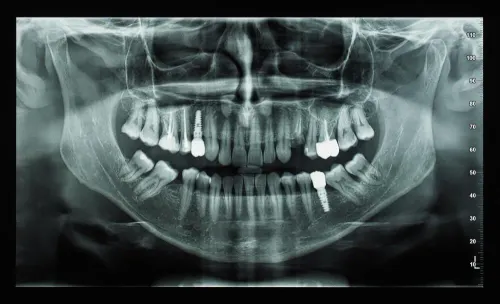
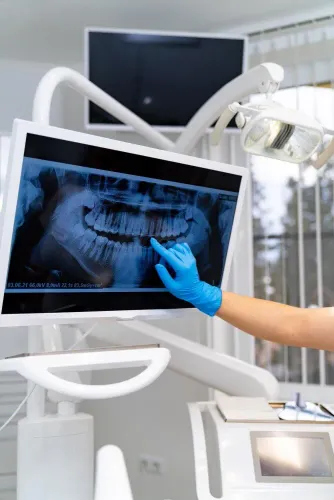
1. Records are collected to show what cannot be judged from the front. Photographs, dental models or digital scans record tooth positions and the bite. Dental radiographs, including an OPG X-ray, help assess roots, unerupted teeth, impacted teeth and bone support.
2. Dental problems are treated before braces. Active decay can worsen beneath brackets, while plaque-related gum inflammation and poor cleaning increase the risk of cavities, white-spot marks and gum damage. A filling, periodontal care or improved cleaning routine may therefore come before orthodontic treatment.
3. Treatment planning determines how space and bite problems will be managed. The clinician considers tooth movement, expansion, facial profile, jaw relationships and long-term stability before recommending extraction. Removing teeth is not automatic; selected cases can gain space through expansion or tooth movement.
4. At the bracket bonding appointment, each tooth is cleaned and prepared. Brackets are attached with dental adhesive, an archwire is placed through them, and elastic ligatures or clips secure the wire. The process does not usually involve fitting every planned component at once.
5. Later appointments check movement, change or adjust wires, replace damaged brackets or wires and add elastics when required. Suitability depends on the health and position of your teeth, gums, supporting bone and jaws—not only on how crooked the front teeth appear.
How fixed braces compare with ceramic braces and Invisalign
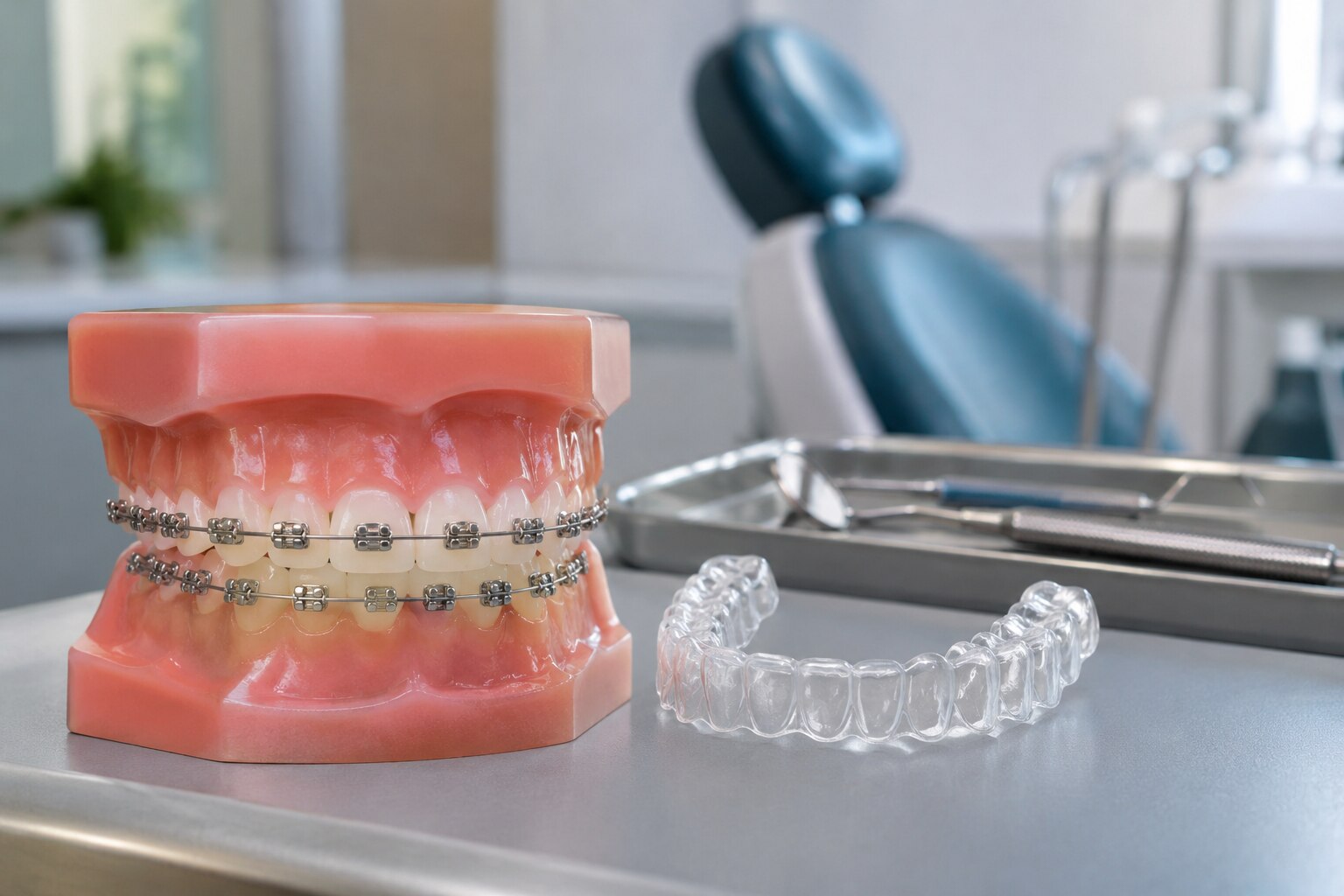
Choose according to your priorities: metal braces vs ceramic braces is mainly a visibility and durability decision, while ceramic braces vs Invisalign also involves removability, discipline and suitability for the required movements.
| Option | Visibility and use | Trade-offs |
|---|---|---|
| Metal fixed braces | Most visible; brackets and wires stay attached | Strong continuous control; adjustment visits and restrictions on hard or sticky foods |
| Ceramic fixed braces | Less noticeable; brackets and wires stay attached | Ceramic can chip, and ligatures can stain; cleaning demands are the same as metal braces |
| Invisalign | Less visible; aligners come out for meals and brushing | Fewer food restrictions, but requires consistent wear, regular cleaning and responsibility for not losing or forgetting trays |
Fixed braces offer continuous control between appointments, which is valuable for severe crowding, rotations, root angulation, vertical positioning and complex bite correction. They require adjustment appointments, whereas aligners use planned changes and may need attachments to guide specific teeth.
With Invisalign, remove the aligners for anything other than water. Leaving them out too long, cleaning them poorly or losing them can interrupt the planned sequence. An examination must confirm whether removable aligners can deliver the required complex tooth movements; they suit selected cases, not every bite.
For someone choosing fixed braces or clear aligners in Janakpuri, Dr Batra's Dental can provide a side-by-side assessment based on your bite, oral health, appearance priorities, cleaning habits and ability to attend adjustments.
Related service
Fixed Ortho(Braces) Achieve a well-aligned and confident smile with Fixed Orthodontic Braces at Dr. Batra's Dental Clinic. View service → |
How long treatment takes and what you must do every day
Many fixed-brace treatments take about 18 to 24 months, but an orthodontist cannot promise a fixed completion date before examining your teeth and bite. Mild alignment may take less time; complex cases may take substantially longer.
Treatment length depends on:
- Your age and growth
- The severity of crowding
- Whether extraction or space creation is needed
- Tooth and jaw relationships
- Missed adjustment appointments
- Repeated bracket or wire breakages
- Cooperation with prescribed elastics
Your orthodontic cleaning routine needs daily attention. Brush with fluoride toothpaste at the gumline and around every bracket, then use an interdental brush or another between-teeth cleaning aid. A fluoride mouthwash may be advised, but it does not replace brushing.
- Carry a travel toothbrush, interdental brushes and orthodontic wax when you are away from home.
- Avoid chewing ice, hard nuts, popcorn kernels, sticky toffees and pens; these can loosen brackets or bend wires.
- Cut firm foods into small pieces instead of biting directly with your front brackets.
- Keep elastics and adjustment appointments as prescribed, and report broken brackets or wires promptly.
Dependable cleaning and attendance protect treatment progress as much as the appliance itself. Neglect can cause plaque damage, breakages and delays even when the braces are working correctly.
What to expect after adjustments and why retainers matter
Braces adjustment soreness usually means pressure or tenderness for a few days after placement or a wire adjustment. It normally settles as your mouth adapts, but severe or worsening symptoms need attention.
Ask the dental team for prompt review if you have:
- Persistent severe pain
- Facial swelling or fever
- A loose bracket or broken wire
- A wire cutting into your cheek
Do not repeatedly adjust the appliance yourself. A broken bracket or protruding wire can irritate soft tissue and delay planned tooth movement, even when the discomfort initially seems minor.
Orthodontic root resorption means shortening of a tooth root during treatment. Small amounts can occur, with risk influenced by treatment duration, force levels, root shape and individual susceptibility. Severe root resorption is uncommon, but your orthodontist may monitor you more closely when risk factors are present.
After the desired positions are reached, brackets are removed and retainers are fitted. Teeth can relapse because the supporting tissues and bone need time to adapt, so retainers after fixed braces protect the result. Long-term or indefinite nighttime retainer use is commonly advised according to your orthodontist’s instructions.
Straight teeth do not remove the need for routine examinations, professional cleaning when indicated, fluoride care, or treatment of future decay and gum disease.
Frequently asked questions
How do fixed braces move misaligned teeth?
Brackets bond to individual teeth, while an archwire applies controlled pressure. Elastic ligatures or clips hold the wire in place as teeth are guided into better positions.
What happens before fixed braces are bonded?
The orthodontist examines your teeth and bite, discusses the treatment plan, and prepares the tooth surfaces before bonding brackets and placing the archwire.
How do fixed braces compare with ceramic braces and Invisalign?
Fixed metal braces use visible metal brackets and wires. Ceramic braces use tooth-coloured brackets, while Invisalign uses removable clear aligners. Your orthodontist recommends an option based on your bite and treatment needs.
How long does fixed-brace treatment take?
Treatment length depends on the degree of misalignment, bite problem and response to treatment. Regular adjustments and daily cleaning help keep treatment on track.
Why are retainers needed after braces?
Retainers help hold teeth in their corrected positions after active treatment. Wear them according to your orthodontist's instructions to reduce unwanted tooth movement.