Losing a tooth can affect much more than appearance. Depending on its location, a missing tooth may influence chewing, speech, neighbouring teeth, and the way biting forces are distributed throughout the mouth.
Dental implants are one option for replacing missing teeth and are designed to provide a stable foundation for an artificial tooth.
Patients considering implant treatment in Bahadurgarh, can benefit from understanding how implants work before deciding whether this approach suits their dental needs.
How a Dental Implant Works
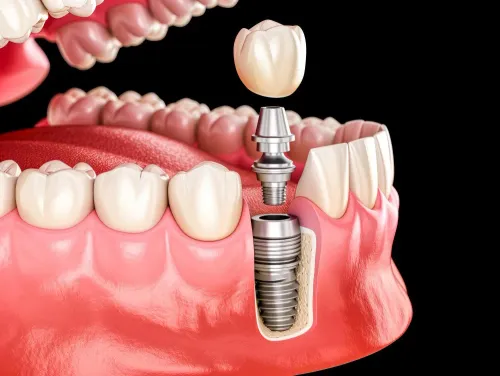
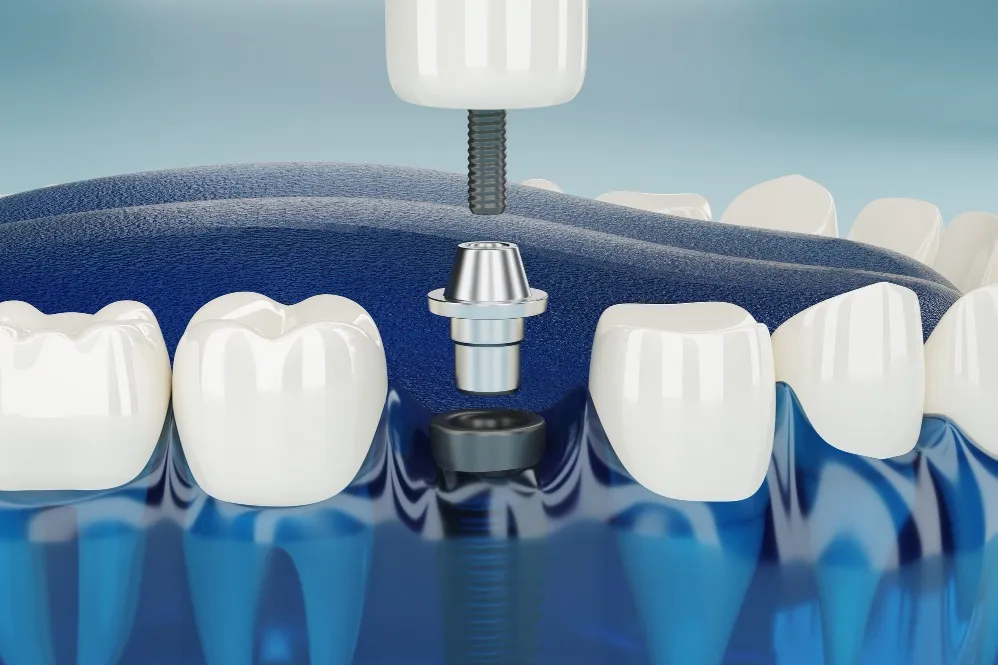
A dental implant is placed into the jawbone in the area of the missing tooth. After appropriate healing and integration, it can support a dental crown or another type of implant-supported restoration.
The complete replacement therefore generally involves several components rather than simply the implant itself.
Unlike a conventional tooth-supported bridge, an implant can replace an individual missing tooth without necessarily relying on neighbouring teeth for support.
Who May Be Suitable for Implant Treatment
Implant suitability cannot be determined solely by whether a tooth is missing.
The dentist needs to evaluate factors such as:
- Available bone
- Gum condition
- Position of neighbouring teeth
- Bite forces
- Oral hygiene
- Medical history
- Smoking habits
- Number and location of missing teeth
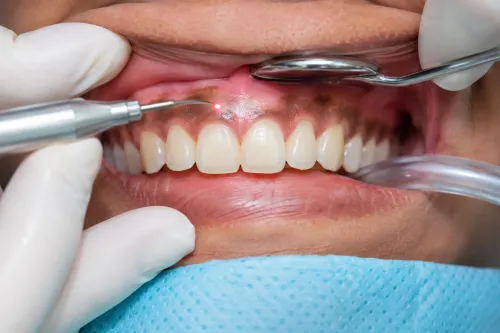
Dental imaging may be needed to assess the bone and surrounding anatomical structures.
Some patients have adequate bone for straightforward implant placement. Others may require additional procedures depending on their clinical condition.
Why Bone Health Matters
After a tooth is removed, the bone that previously supported it can gradually change in shape and volume. The extent varies between individuals.
Because dental implants rely on surrounding bone for support, bone quantity and quality are important parts of treatment planning.
This is also why patients who know that a tooth cannot be saved may benefit from discussing replacement options around the time extraction is being considered rather than waiting indefinitely.
Dental Implants Still Need Daily Care
Implants cannot develop tooth decay in the same way natural teeth do, but the tissues around them still require careful maintenance.
Plaque accumulation can contribute to inflammation around implant-supported restorations.
Long-term care generally involves good brushing, cleaning around and between the restoration, regular dental reviews, and professional maintenance when recommended.
Patients should also understand that the crown or other prosthetic components may require maintenance during their lifetime.
At Dr. Batra's Dental Clinic, implant assessment can help patients understand whether dental implants are appropriate based on their oral condition rather than simply choosing treatment because it is widely available.
Replacing a missing tooth is an individual decision. Understanding bone health, restoration design, treatment stages, and maintenance requirements helps patients make a more informed choice about implant dentistry.
Keywords