
A severe toothache can make eating, sleeping, and even concentrating difficult. In many cases, the source of persistent dental pain is an infection or inflammation inside the tooth. Modern painless root canal treatment is designed to remove the affected tissue, control infection, and preserve the natural tooth with considerably greater comfort than many patients expect.
For patients in Paschim Vihar, Delhi, understanding what happens during root canal treatment can make the decision to seek timely dental care much easier.
Why a Root Canal May Become Necessary
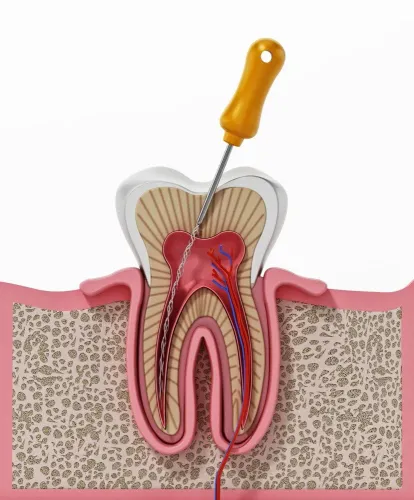
Inside every tooth is a soft tissue area containing nerves and blood vessels. Deep decay, cracks, repeated dental procedures, or trauma can allow bacteria to reach this inner area.
Common warning signs include:
- Persistent or throbbing toothache
- Pain while chewing
- Sensitivity to hot and cold
- Swelling around the affected tooth
- Tender or swollen gums
- Tooth discolouration
- A recurring pimple-like swelling on the gum
Not every toothache requires root canal therapy. A dental examination and appropriate imaging help determine whether the inner tooth tissue is affected.
What Makes Modern Root Canal Treatment More Comfortable
The reputation of root canal treatment being extremely painful largely comes from older perceptions of dentistry. Current techniques focus strongly on patient comfort.
Local anaesthesia is used to numb the treatment area before the procedure begins. The dentist then creates a small opening in the tooth and carefully removes infected or damaged tissue from the root canals.
The canals are cleaned, shaped, disinfected, and sealed to reduce the possibility of bacteria entering again. Depending on the condition of the tooth, a dental crown may subsequently be recommended to restore strength and function.
The objective is not simply to stop pain. Root canal therapy helps retain a tooth that might otherwise eventually require extraction.
Why Delaying Treatment Can Create More Problems
Dental infections rarely resolve permanently without addressing their underlying cause. Pain may occasionally reduce temporarily even when infection remains.
Delaying treatment can allow the problem to progress into surrounding tissues. This may lead to increased swelling, difficulty chewing, abscess formation, or loss of the affected tooth.
Early evaluation can sometimes make treatment more straightforward and preserve more natural tooth structure.
Caring for Your Tooth After Treatment
Mild tenderness can occur after treatment, particularly if the tooth was significantly inflamed beforehand. Patients should follow their dentist's aftercare instructions and avoid placing excessive pressure on the treated tooth until the final restoration is completed.
Good long-term care includes:
- Brushing twice daily with proper technique.
- Cleaning between the teeth regularly.
- Avoiding biting very hard objects.
- Completing any recommended crown treatment.
- Attending routine dental examinations.
At Dr. Batra's Dental Clinic, patients with tooth pain can undergo an evaluation to identify whether root canal treatment, another restorative procedure, or a different approach is appropriate.
A painful tooth should not automatically be considered a lost tooth. With timely diagnosis and modern root canal techniques, many affected natural teeth can continue functioning for years.
Keywords